On building trust and hope in a world we cannot control.
Mr. Rogers said, when you are in crisis, look for the helpers. This is a good strategy for anyone no matter their age. Not just because of the practical help an in-need person will receive (meaning something like a band-aid on a cut), but because the nature of helping is a powerful force of healing entire cultures.
Prescription for healing dysfunctional media:
always show the helpers.
Honestly, you could stop reading right now, and just do the above. If you are not a media pro, perhaps you could become – or support – a helper. Here are ideas how to take action.
Helping is a cornerstone of our society (and economy)
When we feel sick, we go to doctors or healers because they are helpers. When we feel afraid or confused, we seek family, friends, or wise counsel to help us. When we need to learn something, we find teachers, coaches, and truth tellers1. Professionals of all kinds are at their core helpers: each with expertise in solving problems for people.
And when an accident happens, first responders provide so much more than practical support – they give hope and solace to anyone who witnesses them.
Helpers abound if you expand your definition to include those whose primary motivator is formed around good will toward others, even if their paid profession appears to revolve around something else.2
When I look at most jobs, I wonder if the individuals who chose their fields did so because of the joy of supporting the greater good, or just their desire to earn a few dollars to pay bills? Or something else? Serving others feels good, and is necessary for humanity to survive and thrive. Serving others can also help us through grief and suffering too. In short, helping helps.
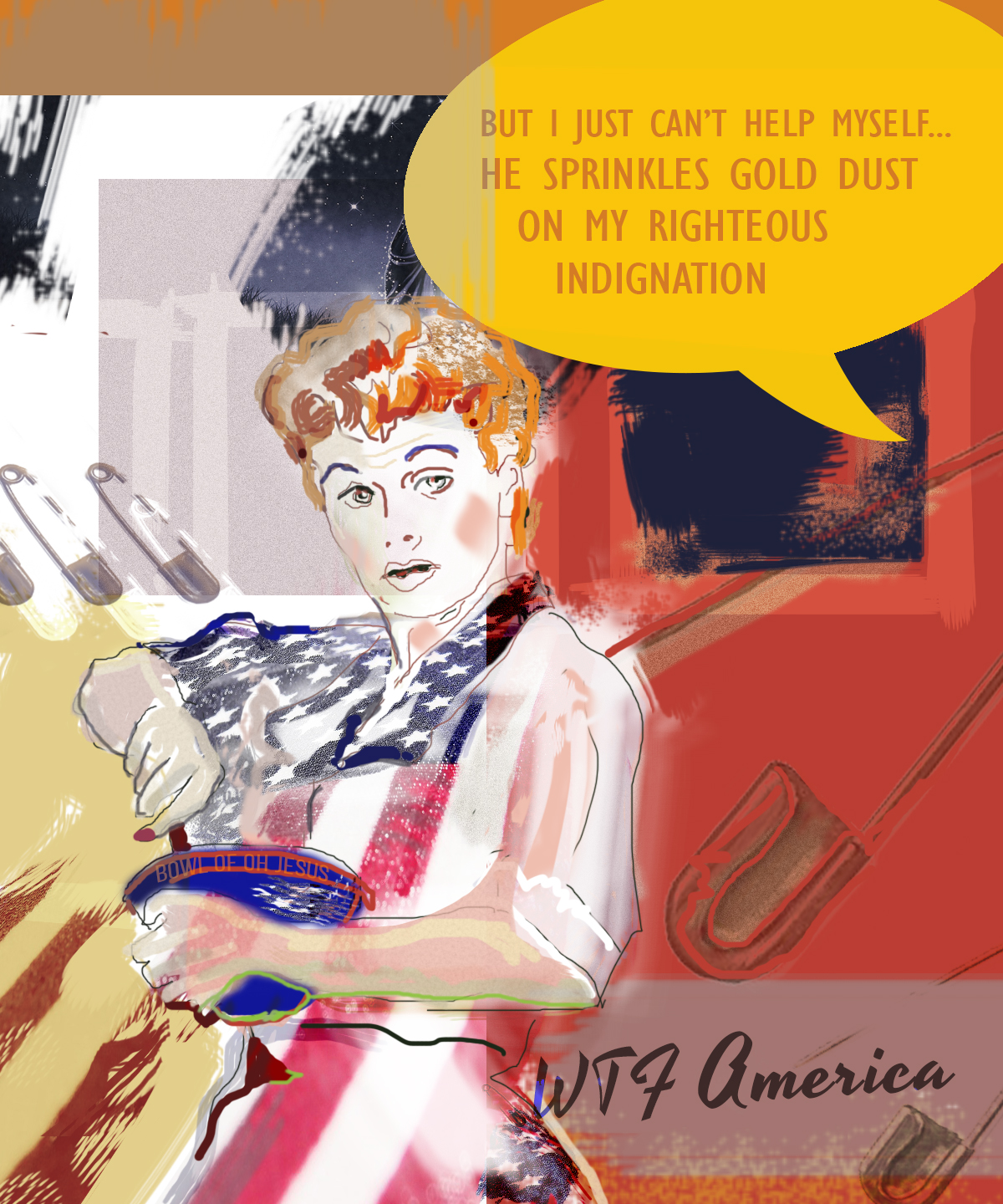 So, I vote: YES they did. Most folks want to help others, even if they forget what the F they are doing half the time.
Helping is humanity’s survival instinct.
Just to showcase how to see the ubiquity of helping, not only are medical and psychological professionals helpers at their core; inventors design items to alleviate suffering; tech giants propagate coded systems to help people feel not so alone and to relieve people of problems. Marketeers help people share their helpful products and knowledge beyond themselves and earn money to support their families. Hoteliers provide safety and welcome to weary travelers. Excavators unearth foundations that create space for our shelters, and food servers grant us personal energy while feeding our bodies and souls.
Actors, artists, poets, and performers of all kinds serve us knowledge of ourselves within safe environments that lighten our hearts so we may carry on to help others another day.
If you look closely enough, most folks have service to the greater good deep inside their approach to their work. At least that’s what childlike me wants to believe.
… Two Ways Most Days (how burnout can lead to awakening)
Two years ago, middle age hit me like a bafflement of blows below the belt. As my waist expanded with unwanted cushion and my energy dropped, I started to doubt the helpers. I’m guessing around this same time, a bunch of helpers started doubting me too. I had given of myself past the point of burnout, which triggered survivalist “fight or flight.”
My awakening gave me fury to fight, and a long-needed 8 days of phone-free of rest. During this time, I was ousted by a wealthy client who appeared to understand human needs, but did not care about mine. Disheartening, but F it.
So I hunkered down to rest and re-evaluate who I had gone out of my way to support: did any of these folks pay the help I gave forward?
That’s How Trust Goes…
Because of burnout, where I once trusted, I began to see darkness and selfish behavior all around. Depression ensued. Everywhere I turned, there seemed to be piranhas of the human kind eating away at my body and soul, demanding I give more, sharing back only more opportunities for me to feed them more of me. Mostly, they wanted me to work for them, or carry the burdens of their businesses in the web realm with no compensation.
Um, yeah, no.
This led me to review two common societal mindsets about how humans relate to others.
The first mindset is trust-based, where we all are – and do – our best, paying things forward for the good of all. This is also a childlike mindset, which I call ‘childlike’ with the greatest of respect and awe. See, we all start life in trust, because we have to. Babies don’t question if they can trust their parents, they just do.
Who keeps children alive is keeping them alive, and trust has nothing to do with that. And children naturally give too: their energy of exuberance, creativity, and authentic beginner’s mind is refreshing to our souls to behold. And, they play.
That’s why it is a gift to raise kids, not a burden.
The second mindset seems based on ideas of a zero sum mentality like “this for that,” or “you scratch my back and I’ll scratch yours.” Or, more harshly stated, “dog eat dog.” While in nature there are endless energy exchanges where some seem to win while others seem to lose, this subscribed mindset has its share of manipulators who seek to get more on their side of the equation without giving back. This mindset could nicely called “balance,” or unkindly called “exploitative” or “controlling.” It’s at the core of capitalism, so sometimes hard to see.
We can all observe how powerful players of the ‘consolidation of wealth and power game’ (namely, our current republican administration) use expectations of what others should do for them to achieve greater things for themselves. After all, capitalism is built on this idea: “give the people jobs.” But the subtext is: only some are worthy of skimming riches and growing influence from others’ natural energy. I’m not saying it is right or wrong, but it is a system at play.
And for this limited/transactional mindset to prevail over the pay-it-forward helping one, folks have to unsee the power of ordinary people helping each other.
I hope this piece helps you see all kinds of helpers.
And for ordinary people like me, even trying to keep track of who owes what in a zero-sum game universe is a door-darkening bummer. Also, endlessly giving to the wrong people is kind of bullshit too. Enough to plunge a natural helper into depression and fury.
So, as much as I’d like to see myself as an unlimited font of giving, I know now, I must also receive. And not just receive more opportunities to give endlessly, but to receive true soulful and bodily nourishment, friendship, love, truth, resources to support my family, and time with my creative self to play.
At the end of the day, helpers help by any means necessary, even if not in plain name.
Practical Actions You Can Do Today
Discern a quiet helper in your midst: send them a message of hello, or support, or even drop off something sweet for them with a card of noticing.
Acknowledge your helping self in your job: how can you physically acknowledge the creative and loving part of yourself in that environment? Silly desk signs, computer wallpaper, and clothing choices all help. There is no need to fit in by uniform. Now is a time to show up as yourself, which in turn will help others show up as themselves too.
Give of your helping self in your community: are you the one always with wise counsel? Maybe the one who feeds others, or cleans up? Perhaps you give of your time to public endeavors? Maybe you work overtime to help good projects succeed? Whatever your helping self does, can you embrace how this changes every day? Needs change and your community dynamics are just that: dynamic. What relief can you give yourself and others today in an ever-changing environment?
How about a deep breath? Yes, start there, we got this.
FOOTNOTES & SUB-SUBTEXT ;)
- A loving thank you to a (yes even difficult) truth teller, coach, and friend, Robyn Ivy ↩︎
- Quick note on burnout. Although folks may choose a helping profession, it does not mean they can help others always, even inside the parameters of their profession. Nurses cannot nurse 24 hours a day, or even for a full shift. They must be replenished with energy from others. Someone has to help them, by first seeing them. Burnout is a thing that can affect the most generous of givers, and competent helpers too. IE not all helpers can help at all times. Relationships rooted in love with a strong base of checking in and demonstrating caring about people outside of “what they can do for you” is critical.
Helpers may even need more help perhaps, than the average person, so it is humane to find one and show you care. ↩︎